Astronomy Basics

Master the Night Sky

Discover the fundamentals of stargazing. From identifying your first constellations to capturing deep-space photography, begin your cosmic journey here.

Start Learning
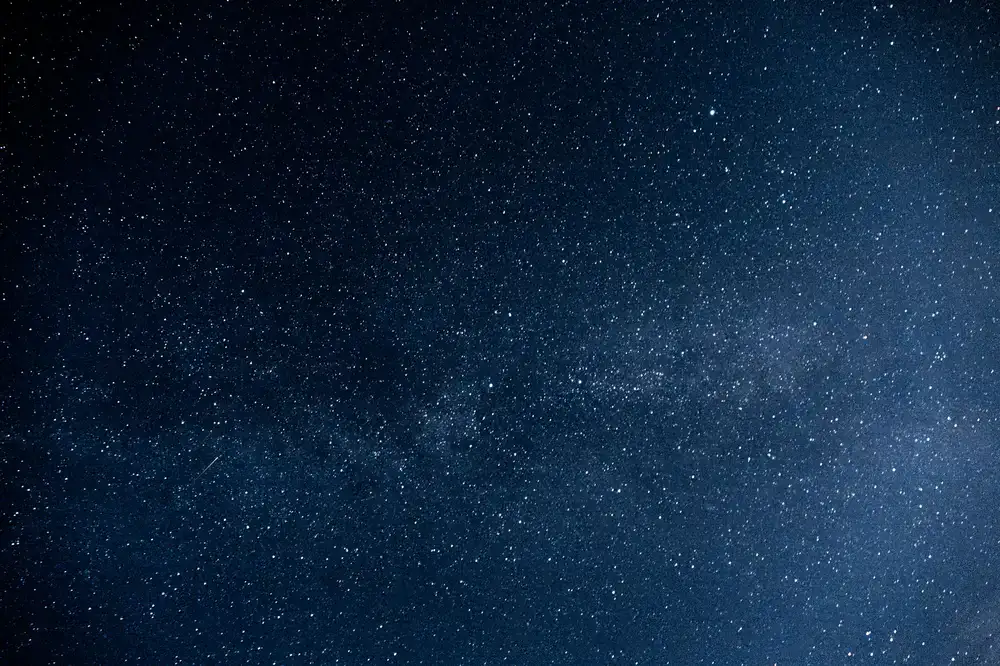
Detailed starfield with visible constellations

Navigating the Heavens

Essential techniques for orienting yourself under the stars before using optical aids.

Tracing lines between bright stars to form constellations

Reading Star Patterns

Long before telescopes were invented, ancient observers mapped the sky using recognizable star patterns. Begin by identifying bright anchor points like the North Star or the Summer Triangle, then use these markers to locate fainter constellations nearby.

Join a Guided Stargazing Tour
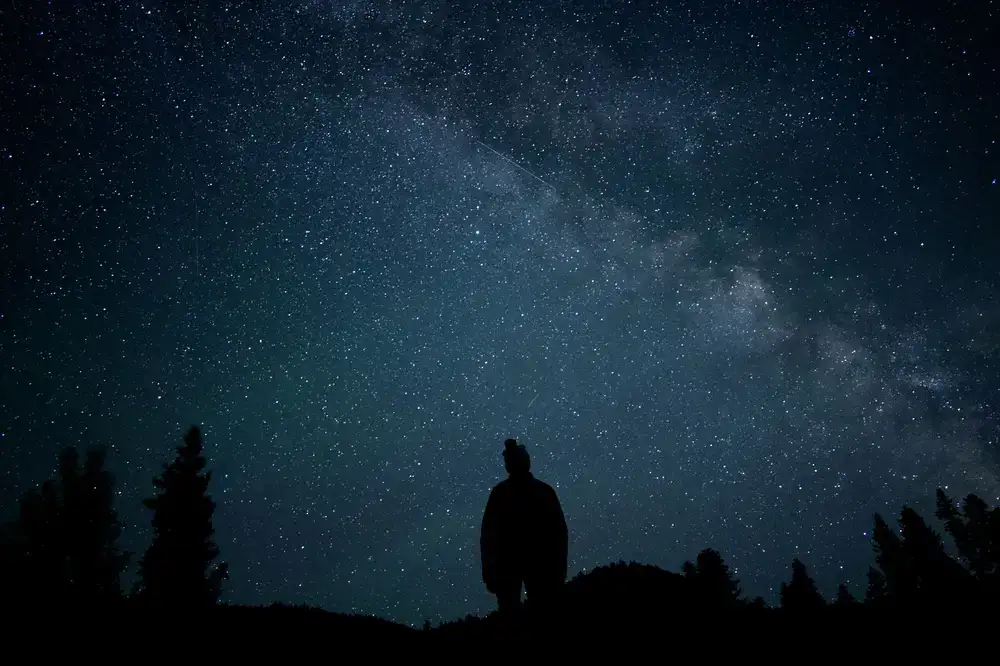
Observer looking up at a dark sky

Preserving Night Vision

True dark adaptation takes up to thirty minutes. Exposing your eyes to standard white light, such as a smartphone screen, instantly resets this process. Always use a dim red flashlight when consulting star charts in the field.

Browse Red-Light Accessories
Observation Calendar

Current Sky Highlights

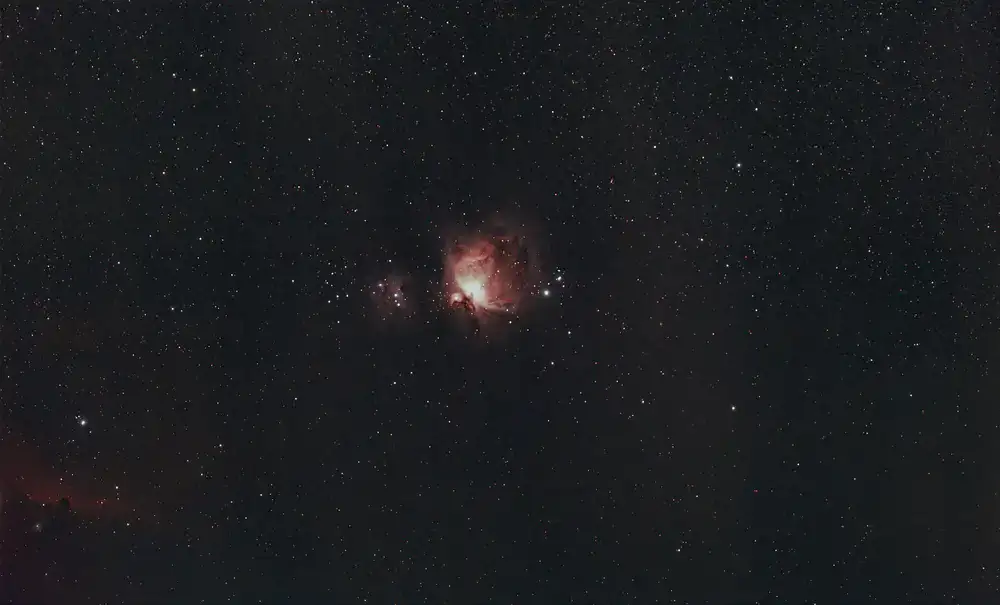
Glowing Orion Nebula
Deep Sky Object

The Orion Stellar Nursery

Visible even with modest binoculars, this massive star-forming region offers incredible detail during crisp, cloudless evenings.

Lunar Phase

Terminator Shadows

The best time to observe lunar craters is not during a full moon, but along the shadow line (the terminator) during quarter phases.

Planetary

Gas Giant Opposition

Jupiter is currently positioned perfectly for late-night viewing. Look for its four brightest moons arranged in a linear plane.

Atmospheric Event

Upcoming Meteor Shower

Prepare for up to 60 meteors per hour. The radiant point will be highest after midnight, making early morning the optimal viewing window.

View Event Calendar →
Meteor streaking across the night sky

Astrophotography Essentials

Capturing the cosmos requires patience and precision. Follow these foundational principles to record your celestial observations.

01

Establish a Rock-Solid Base

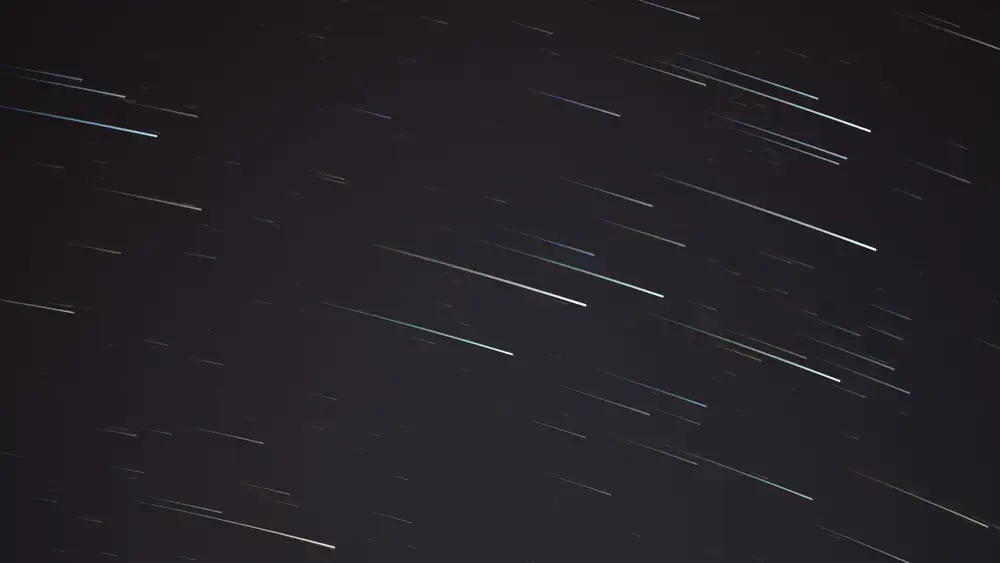
The earth is constantly rotating. When taking long exposures, even microscopic vibrations or wind can blur your image. Invest in a heavy-duty tracking mount that compensates for the planet's rotation, ensuring pinpoint stars over extended shutter speeds.

02

Master Manual Exposures

Autofocus and auto-exposure fail in darkness. Switch your camera to full manual mode. Use a wide aperture (f/2.8 or lower), push your ISO higher (usually between 1600 and 6400), and experiment with exposure times between 15 and 30 seconds.

03

The Power of Stacking

A single photograph often contains digital noise. Astrophotographers capture dozens of identical frames and combine them using specialized software. This "stacking" process reduces random noise and dramatically increases the signal-to-noise ratio, revealing faint nebulosity.

Reader Comments

Join the discussion and share your stargazing experiences.

M
Marcus T.

The guide on preserving night vision was a game changer for me. I finally bought a red-light flashlight and it makes a huge difference!

S
Sophie L.

I've been trying to photograph the Orion Nebula. The tip about stacking images really helped reduce the noise in my shots. Thank you!

Leave a Comment

Equip Your Observatory

Knowledge is just the beginning. Transition from studying star charts to active observation with our curated collection of precision optics and imaging gear.