Maximum Activity Viewing
Join our astronomers during the peak hours of the Perseids. We provide zero-gravity loungers and dedicated sky narration as dozens of meteors streak across the dark observation zone.
Learn how to prepareFrom spectacular meteor showers to planetary alignments, our guided viewing sessions offer front-row access to the most awe-inspiring astronomical phenomena.
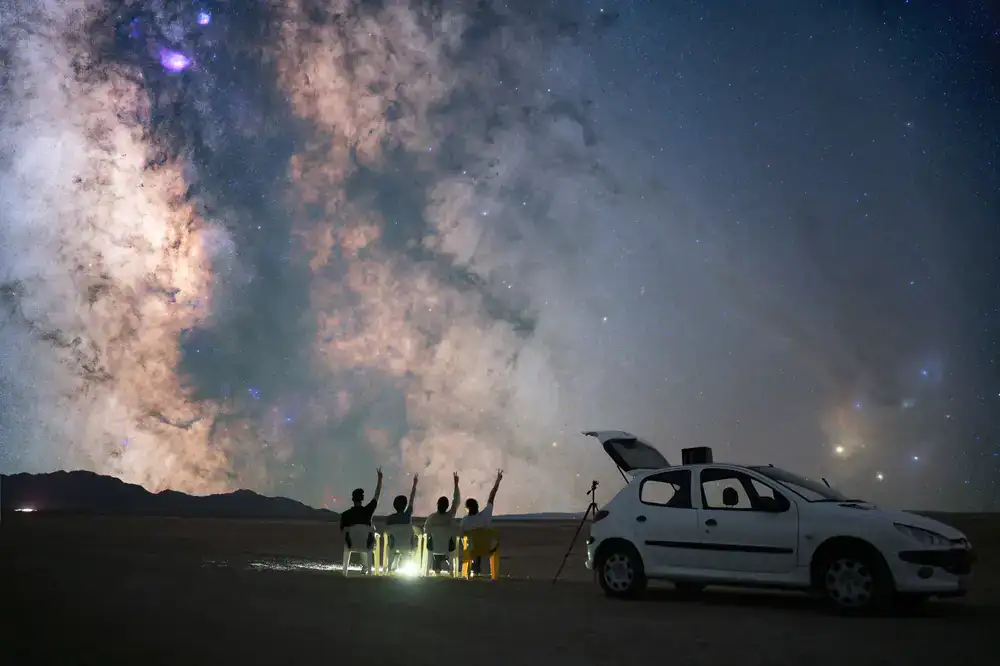
Join our astronomers during the peak hours of the Perseids. We provide zero-gravity loungers and dedicated sky narration as dozens of meteors streak across the dark observation zone.
Learn how to prepareTest our newest Dobsonian reflectors under actual observing conditions before making a purchase. Our shop experts will guide you through equipment setup.
Visit the ShopBring your DSLR or mirrorless camera. Learn the fundamentals of long-exposure night sky photography alongside our resident imaging specialists.
View PrerequisitesMark your calendars for these essential viewing opportunities.
Watch as the Earth's shadow sweeps across the lunar surface. Our large-aperture telescopes will be fitted with special filters, allowing you to trace the crater details as the shadow advances.
Jupiter reaches its closest approach to Earth, fully illuminated by the Sun. This is the optimal time to observe its atmospheric cloud bands and the transit of its four Galilean moons.
Often the most reliable meteor shower of the year, producing up to 120 multicolored meteors per hour. We’ll gather in our darkest observation zone for an uninterrupted, all-sky experience.
Due to the transient nature of astronomical phenomena, our special viewing nights have limited capacity. Preparing properly ensures the best experience under the stars.
Eclipse and meteor nights often reach capacity weeks ahead. Contact us early to secure telescope access or a viewing lounge spot.
Clear skies are mandatory. We monitor atmospheric conditions rigorously and will provide a final observation confirmation 24 hours prior.
Temperatures drop significantly during late-night observation. Dress in warm layers. Red-light headlamps are encouraged to preserve night vision.
Have questions about a specific alignment or want to book a place for an upcoming meteor shower? Reach out to our astronomy team.